
Why Regular Pest Inspections Are Critical for Workplace Safety
17 April 2026
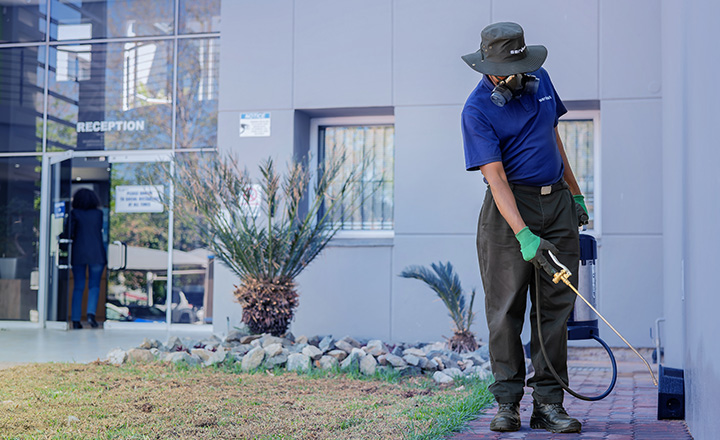
Every shelf stocked, every workstation humming, every process timed to perfection – commercial spaces function on exacting standards. But pests work differently: quietly, invisibly, and unpredictably. One overlooked corner can become a breeding ground for rodents or insects, risking food safety, equipment integrity, and employee wellbeing. Servest goes beyond compliance, providing commercial pest management that keeps these silent threats in check before they escalate.
Let’s talk about pest inspections, and how they’re vital for maintaining healthy standards in various workplaces.
Understanding the Risks Pests Pose in Commercial Environments
Pests in commercial spaces are a serious risk to health, safety, and operational efficiency. Rodents, cockroaches, ants, flies, and other insects carry bacteria and allergens that can contaminate food, raw materials, equipment, and surfaces.
- Health and Safety Risks: In food manufacturing, even minor contamination can halt production. In offices and healthcare facilities, pests can spread allergens and compromise hygiene standards.
- Operational Disruptions: Infestations can force temporary closures, delay logistics, or trigger emergency cleanups.
- Structural Damage: Rodents chew wiring, packaging, and furniture, while insects and birds can damage storage facilities or ventilation systems.
- Reputation Damage: For food manufacturers or corporate clients, a pest incident can undermine customer trust, trigger fines, or affect compliance ratings.
A single overlooked pest problem can cascade into costly downtime, lost stock, or regulatory penalties, making commercial pest management indispensable.
Preventing Problems Before They Escalate
Prevention is the most powerful tool in commercial pest management. Routine pest inspections identify early signs of activity and potential breeding sites, stopping infestations before they disrupt operations. Proactive monitoring helps to:
- Ensure compliance with health, safety, and hygiene regulations.
- Reduce costs linked to emergency pest treatments, product loss, or equipment damage.
- Protect confidence among staff and clients by maintaining consistently safe and clean facilities.
With Servest’s tailored, science-backed solutions, commercial facilities gain a comprehensive approach to pest control: one that mitigates risks, safeguards operations, and keeps your business running smoothly.
Key Focus Areas During Pest Inspections
Successful inspections focus on high-risk zones specific to commercial operations:
- Warehouses and Storage Areas: Inspect pallets, racks, and packaging for signs of rodent or insect activity. Early detection protects stock and prevents operational delays.
- Food Manufacturing Facilities: Critical zones include production lines, cold storage, and ingredient storage. Pest activity here can halt production and compromise food safety compliance.
- Offices and Corporate Buildings: Focus on break rooms, kitchens, waste disposal areas, and storage closets where pests may hide. Maintaining hygiene preserves staff wellbeing and workplace reputation.
- Healthcare Facilities: Sterile environments must remain free of contamination. Inspections cover patient areas, laboratories, storage, and waste zones.
Routine attention to these areas ensures that pest activity is detected and addressed before it escalates into a full-scale problem.
Best Practices for Commercial Pest Management
An effective commercial pest control strategy combines expertise, technology, and routine operational care:
- Regular Professional Inspections: Certified specialists identify vulnerabilities and monitor early warning signs invisible to untrained eyes.
- Integrated Pest Management (IPM): Combines preventative monitoring, sanitation, eco-friendly treatments, and structural controls to minimise chemical use while maximising protection.
- Staff Training: Teams learn to recognise early signs of infestation, complementing professional inspections with day-to-day vigilance.
- Hygiene and Waste Control: Prompt cleaning, structured waste disposal, and proper storage reduce attractants for pests.
- Documentation and Compliance: Detailed logs of inspections, treatments, and monitoring activities support audits and regulatory compliance.
Implementing these measures as part of daily operations ensures continuous protection, regulatory adherence, and operational efficiency.
The Servest Approach to Commercial Pest Control
Servest delivers a full suite of commercial pest control solutions for businesses, combining inspections, treatments, and ongoing monitoring seamlessly into daily operations. Our approach ensures that every pest threat – from rodents to insects to wildlife – is managed proactively:
- Rodent Control: Comprehensive site inspections, sealing entry points, strategically placed traps, and routine monitoring catch early signs of rats and mice before infestations escalate.
- Insect Management: Targeted treatments such as baits, insecticides, pheromone traps, and environmental controls tackle cockroaches, flies, ants, beetles, moths, and weevils, eradicating existing infestations and preventing future ones while remaining fully HACCP- and health-compliant.
- Bird and Wildlife Control: Humane deterrents such as netting, spikes, and sonic devices, along with habitat management and staff guidance, prevent birds and other wildlife from intruding, protecting both personnel and assets.
- Integrated Pest Management (IPM): Science-backed, eco-friendly solutions, including regular inspections, sanitation improvements, and technology-driven monitoring, are embedded into daily operations to ensure year-round protection, early detection, and proactive response to all potential pest threats.
With Servest, you go beyond compliance. Our expert teams deliver integrated, eco-friendly pest control for commercial buildings, transforming routine checks into a strategic advantage and ensuring your environment is safe, professional, and always operationally ready. In the end, vigilance isn’t just a precaution, it’s a commitment to excellence, efficiency, and peace of mind.
Frequently Asked Questions
- How often should commercial buildings schedule pest inspections?
Monthly inspections are recommended, with high-risk areas monitored weekly or daily depending on activity levels. - What are the most common pests in commercial buildings?
Rodents, birds and beetles, moths and weevils, cockroaches, flies and ants are the most frequent culprits. - How can Servest ensure compliance through pest management?
Servest combines routine inspections, preventative measures, eco-friendly treatments, and detailed reporting to meet HACCP, health, and safety standards.