
How Landscape Design Enhances Learning, Mental Health, and Campus Life at South African Universities
14 May 2026
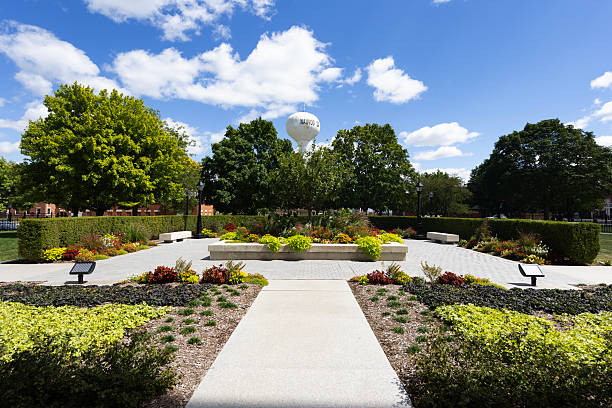
A campus can feel like a study in movement. Students thread between lectures, small groups cluster under trees, and quiet corners host solitary reading. The way those outdoor spaces are shaped matters. Thoughtful landscape design does more than decorate grounds; it sets the conditions for focus, social connection, and the small recoveries that make a long day manageable.
South African campuses face particular demands. Some sit tight in dense urban grids, where shade and calm must be carved from concrete. Others unfold across wide rural acres, where water wise planting and biodiversity become practical necessities. Good design responds to each context, easing noise, cooling heat, and creating safe, accessible places where students and staff can study, rest, and belong.
At Servest, we work with institutions to translate these design ideas into durable, sustainable landscapes. The right balance of paths, planting, seating, and light turns outdoor space into an active part of campus life, supporting mental health, learning outcomes, and a stronger sense of community.
Below are practical design principles and examples that help universities turn grounds into places where people learn better, feel better, and live better.
The Role of Landscaping in Creating Supportive Learning Environments
Green spaces on campus support cognitive performance, memory retention, and focus. Outdoor study areas, shaded seating zones, and dedicated learning gardens allow students to engage in quiet reflection or group work in comfortable environments. Strategic planting reduces noise and heat while minimising distractions, creating conditions conducive to concentration. By integrating functional landscaping design into campus layouts, universities encourage a seamless connection between built and natural environments.
Landscaping and Mental Health Benefits for Students
Access to nature-rich environments has measurable benefits for student wellbeing. Walking paths, quiet gardens, and mindfulness spaces reduce stress and support emotional resilience. Safe, inclusive outdoor areas provide students with opportunities to decompress, exercise, or socialise in a calm, restorative setting. Proper school landscaping ensures these spaces are accessible, welcoming, and conducive to mental health for diverse student populations.
Enhancing Campus Life and Student Experience Through Landscape Design
Campus landscaping shapes social dynamics and community spirit. Event-friendly lawns, recreational areas, and gathering points encourage interaction and foster a sense of belonging. Thoughtful placement of outdoor lighting, pathways, and seating enhances safety while supporting flexible use. Well-planned green areas contribute to campus identity and pride, providing spaces where students feel connected and engaged.
Sustainable Landscaping Design for South African Campuses
Sustainability is key to modern campus design. Using indigenous plants and water-wise landscaping practices ensures gardens thrive in local climates while reducing maintenance and water usage. Eco-friendly irrigation, low-maintenance greenery, and biodiversity-focused layouts lower operational costs and reduce carbon footprints, creating long-term environmental and financial benefits for universities.
School and University Landscaping Design Principles
Effective campus landscaping balances functionality, safety, and aesthetics. Paths and access points support universal mobility, while shaded walkways and rest areas provide comfort. Noise and wind buffering through strategic planting improves usability. Hardscaping in high-traffic zones, combined with open lawns and structured gardens, ensures both beauty and durability, creating environments where learning and leisure coexist seamlessly.
The South African Context: Unique Challenges and Opportunities
Water scarcity, urban density, and climate variation present unique design challenges. Campus landscaping must also address safety, controlled access, and the needs of diverse student populations. Multi-purpose outdoor areas allow for study, recreation, and events, maximising utility and inclusivity across different campuses.
How Servest Supports University and School Landscaping
Servest provides comprehensive landscaping services for South African educational institutions. Our teams design campuses that enhance learning, support mental health, and elevate student experience. Sustainable, water-wise solutions are complemented by expert grounds maintenance, ensuring gardens remain healthy, accessible, and safe throughout the year. By tailoring landscaping to each campus, Servest helps universities and schools achieve spaces that are functional, restorative, and inspiring.
Frequently Asked Questions
- How does landscaping improve learning environments on university campuses?
Green spaces support focus, memory retention, and student engagement while reducing stress and distractions. - What landscape design features support student mental health?
Walking paths, quiet gardens, shaded areas, and mindfulness spaces provide opportunities for relaxation and stress relief. - What are the best landscaping ideas for South African universities?
Indigenous plants, water-wise layouts, multi-use lawns, sensory gardens, and accessible seating enhance usability and sustainability. - How does school landscaping support wellbeing and academic performance?
Safe, inclusive, and thoughtfully designed outdoor areas promote emotional wellbeing, physical activity, and opportunities for collaborative learning.