
Preventing Turf Deterioration Through Proactive Seasonal Maintenance
14 May 2026
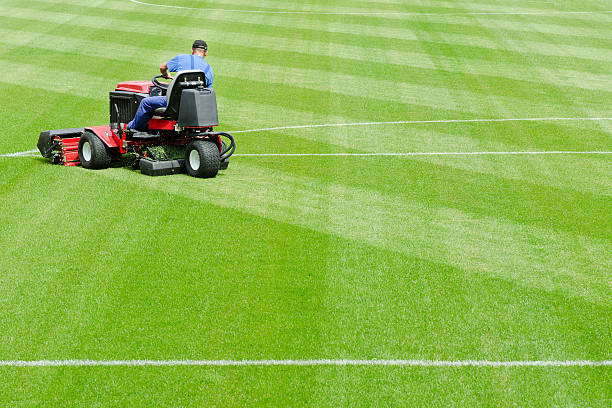
Before a match begins or a school bell sounds, turf is already working. It cushions a fall, steadies a footstep, and sets the stage for play and learning. Left unattended, that same surface can hollow out under pressure, showing bare patches, uneven wear, and weakened roots. Seasonal change and heavy use quietly add up, and what looks like simple thinning soon becomes a safety concern and an expensive repair.
Proactive seasonal maintenance treats turf as an engineered system rather than a background amenity. By matching care to climate and calendar, from summer irrigation to autumn overseeding, facilities protect performance, reduce replacement costs, and keep fields safe and reliable. Servest brings this discipline to turf care, combining practical maintenance programmes, modern equipment, and sustainable practices to keep grounds resilient and ready all year round.
Servest provides expert turf maintenance services designed to support year-round performance and sustainable care.
Common Causes of Turf Deterioration
Turf decline can result from a combination of environmental and operational factors. Heavy foot traffic or overuse leads to soil compaction, reducing root growth and water absorption. Poor soil health, nutrient depletion, and incorrect mowing height can further stress grass. Inefficient irrigation, extreme weather conditions such as heatwaves, frost, or drought, and unplanned usage patterns all contribute to premature deterioration. Consistent attention through a structured turf maintenance service prevents small issues from becoming costly problems.
Understanding Seasonal Lawn Care Cycles
Each season brings unique challenges and care requirements for turf. A structured approach ensures resilience, appearance, and performance throughout the year.
Summer Turf Care
Summer demands focus on heat stress and water loss. Proper watering schedules, soil aeration, and dethatching reduce strain while keeping grass green and playable.
Autumn Turf Care
After summer, repairing damaged areas, overseeding for thicker coverage, and preparing turf for cooler months keeps lawns healthy.
Winter Turf Care
Dormant turf requires protection from excess traffic and weather extremes. Targeted winter fertilisation maintains nutrient levels and prepares grass for spring revival.
Spring Turf Care
Spring is about revival. Fertilising, aeration, and early pest prevention ready fields for peak usage and ensure strong growth during the year’s busiest months.
Proactive Turf Maintenance Techniques
Regular maintenance prevents deterioration and supports optimal turf performance.
Aeration and Decompaction
Aeration reduces compaction, encourages root growth, and improves water and nutrient absorption. Scheduling is based on usage intensity and turf type.
Proper Irrigation and Water Management
Smart irrigation systems prevent overwatering, root rot, and inefficient water use.
Fertilisation and Soil Management
Soil testing, combined with organic and slow-release nutrients, supports sustained growth and turf resilience.
Pest and Weed Prevention
Integrated Pest Management (IPM) ensures early detection of weeds and pests while minimising chemical use, keeping turf safe for players and visitors.
Mowing Best Practices
Correct mowing height, sharp blades, and consistent scheduling prevent stress and damage to the grass.
Seasonal Maintenance for Sports Grounds
Sports fields require additional care due to heavy traffic and concentrated wear. Divot repair, goalmouth maintenance, and scheduling around training and match days maintain safe, playable surfaces. Planned rest cycles allow turf to recover and thrive.
How Often Should Turf Be Replaced?
Turf replacement is necessary when recovery is no longer possible. Lifespan varies: sports fields endure more intensive use, school lawns see moderate wear, and estate landscaping is often less demanding. Proactive seasonal maintenance delays replacement and reduces costs compared with reactive measures.
Benefits of Proactive Seasonal Turf Maintenance
Regular seasonal care extends turf life, reduces downtime, enhances aesthetics, creates safer play areas, and lowers long-term maintenance expenditure. Facilities benefit from stronger, healthier grass that performs under pressure while remaining visually appealing.
How Servest Supports Seasonal Turf Maintenance
Servest delivers tailored turf maintenance services across seasons for schools, estates, and sports venues. Using sustainable practices and modern equipment, our teams design care programmes that protect investments and optimise turf performance throughout the year. Learn more about our full landscaping capabilities.
Frequently Asked Questions
- What seasonal lawn care practices prevent turf deterioration?
Regular aeration, fertilisation, correct irrigation, mowing, pest prevention, and seasonal repair schedules. - How often should sports turf be replaced?
Replacement depends on wear, usage intensity, and turf type, but proactive maintenance delays the need significantly. - What causes turf to deteriorate the fastest?
Heavy foot traffic, poor soil, improper irrigation, extreme weather, and neglect accelerate decline. - What is included in a professional turf maintenance service?
Aeration, fertilisation, mowing, pest and weed management, irrigation management, and seasonal repair.
How do different seasons affect turf maintenance requirements?
Each season has specific care needs, from heat stress management in summer to dormancy protection in winter, with spring and autumn focusing on recovery and preparation.