
Creating Safer Learning Environments: Cleaning Standards for Schools and Campuses
14 May 2026
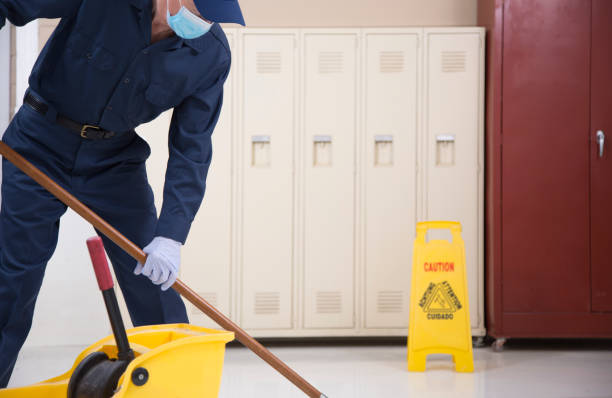
A school day begins long before the first bell rings. Caretakers unlock doors, early-arriving staff prepare classrooms, and the quiet hum of a campus coming to life fills the air. In those moments, the environment sends its first signals: whether the spaces feel cared for, whether they invite focus, whether students and staff can move through their day with ease.
But as halls fill and activities shift from lesson to lunch to sport, the demands on cleanliness grow quickly. Schools, colleges, and universities are dynamic spaces, and the pace at which they change makes consistent hygiene not just important, but foundational to wellbeing and performance. Increasing expectations around safety and cleanliness mean that institutions need reliable systems that can adapt just as dynamically.
At Servest, we help education environments stay healthy, responsive, and ready for learning. Guided by our principle of Going Beyond Compliance, we create cleaning solutions that strengthen daily operations, supporting safer routines, smoother campus life, and spaces where students and staff can feel confident, comfortable, and able to do their best.
Understanding how professional campus cleaning services uphold these standards is the first step to creating learning environments that truly support student success. Let’s break it down.
Understanding Cleaning Standards for Schools and Campuses
Schools and universities must meet defined hygiene benchmarks for classrooms, bathrooms, libraries, residences, and specialised environments such as laboratories and IT rooms. These expectations cover daily routines, scheduled deep cleans, and periodic treatments that protect students from infection risks and contribute to the longevity of facilities.
Regulatory requirements shape many of these responsibilities. Yet the real distinction lies in the difference between general cleaning and the elevated standards specifically required for educational institutions. Classrooms need careful surface management, bathrooms require frequent sanitisation, and residence halls must be monitored with consistent attention. Professional cleaning teams understand how to maintain these spaces with precision and consistency throughout the year.
High Traffic Areas That Require Specialised Cleaning
Within schools and campus environments, some spaces see near-constant movement, making them hotspots for germs and contamination. Classrooms and lecture halls, where students gather for hours at a time, require meticulous daily cleaning to ensure desks, chairs, floors, and shared equipment remain safe and hygienic. Bathrooms and changing rooms, with high moisture levels and frequent use, demand intensified sanitisation to prevent the spread of bacteria and viruses.
Gyms, sports facilities, and cafeterias present their own challenges. Sweaty surfaces, food preparation areas, and high-traffic flooring call for protocols tailored to moisture control, hygiene safety, and heavy footfall. Laboratories and IT rooms introduce additional complexity due to sensitive equipment and the potential presence of chemical or biological materials, requiring cleaning methods that protect both people and devices.
Student residences and dormitories operate almost like small communities within a larger campus. High-density living makes consistent hygiene critical, and structured cleaning schedules ensure all residents experience safe, comfortable, and well-maintained living conditions.
Every one of these environments requires its own specialised cleaning approach, supported by trained staff, appropriate equipment, and carefully planned routines. When done effectively, this creates spaces where students, staff, and visitors feel safe, supported, and able to focus on learning and growth.
The Role of Commercial Cleaning Services in Schools
Professional cleaning teams play a significant role in strengthening school hygiene frameworks:
Trained Cleaning Staff and Consistent Standards
Well trained staff understand infection control cleaning methods, the correct use of approved products, and the appropriate application of personal protective equipment. This ensures every space is cleaned with safety and accuracy in mind.
Cleaning Protocols and Documentation
Professional teams rely on checklists, quality logs, and compliance tracking that allow schools to monitor hygiene performance with complete transparency. This documentation helps institutions stay aligned with regulatory expectations throughout the year.
Specialised Equipment for Educational Spaces
Advanced equipment such as microfibre systems, floor scrubbers, foggers, and HEPA filtered vacuums improves cleaning efficiency while keeping exposure to harsh chemicals to a minimum. Safe, low toxicity products are used intentionally to protect students, especially young learners or individuals with sensitivities.
You can explore Servest’s full cleaning capabilities at our dedicated cleaning services page.
Campus Cleaning Services for Large Institutions
Universities and large educational campuses present a unique challenge in maintaining cleanliness across sprawling, high-traffic environments. Multiple buildings, lecture halls, laboratories, sports facilities, residences, and outdoor areas require a carefully coordinated cleaning strategy. Daily routines must be adapted to varying foot traffic, usage patterns, and functional needs of each space. During peak periods such as registration, examinations, or large campus events, 24 hour cleaning support is often essential to maintain hygiene and ensure uninterrupted learning.
Outdoor areas are equally critical to the campus experience. Gardens, seating zones, sports fields, and busy walkways must be consistently maintained to create an environment where students feel safe, respected, and able to focus on their studies. Thoughtful cleaning of these shared spaces not only promotes health and safety but reinforces a sense of pride and wellbeing across the campus community.
Infection Control in Educational Settings
Infection prevention is a core responsibility for schools and campuses. High-touch surfaces such as desks, doorknobs, and shared equipment require frequent attention, while regular dust management and proper ventilation reduce airborne risks. Institutions must be ready to respond to seasonal outbreaks, such as flu or gastrointestinal viruses, with accelerated cleaning schedules and rapid containment protocols.
Beyond routine cleaning, educational facilities need biohazard preparedness. Spills, accidents in laboratories, or incidents in student housing demand trained professionals who can manage hazards safely and efficiently. By integrating infection control practices into every cleaning task, schools and campuses create safer environments that protect both students and staff while supporting uninterrupted learning.
Benefits of Professional Cleaning Standards in Schools
Implementing professional cleaning standards yields far-reaching benefits. Safer, healthier spaces reduce the risk of infections and minimise absenteeism, creating a more consistent learning experience. Students thrive in orderly, well-maintained environments where comfort and safety support focus, engagement, and performance.
Facilities benefit as well. Regular, systematic cleaning prolongs the life of furniture, flooring, and equipment, reducing replacement costs and maintenance burdens. Parents and stakeholders gain confidence knowing the institution is committed to health and hygiene. Finally, planned, consistent cleaning schedules promote operational efficiency, ensuring resources are used effectively while delivering long-term value.
Fundamentally, professional cleaning is an investment in the safety, reputation, and performance of the entire educational community.
How Servest Delivers School and Campus Cleaning Services
Servest delivers fully integrated school and campus cleaning solutions across South Africa. Our trained staff understand the specific requirements of classrooms, laboratories, residences, and campus wide environments. Cleaning integrates seamlessly with our other services such as landscaping, security, and full facilities management. This creates continuity, reliability, and deeper operational insight.
Our approach supports the creation of safe, welcoming learning environments where students and staff can focus on their goals with confidence. Guided by our commitment to Going Beyond Compliance, we go further than meeting hygiene standards by building systems that enhance learning experiences and strengthen long term campus performance.
Frequently Asked Questions
- What cleaning standards do schools need to follow?
Schools must follow hygiene benchmarks for classrooms, bathrooms, laboratories, residences, and shared spaces while adhering to national health and safety regulations. - How often should schools and campuses be cleaned?
Cleaning frequency depends on foot traffic and risk level. Classrooms and bathrooms require daily cleaning, while residences, sports facilities, and laboratories follow specific scheduled routines. - What is included in commercial cleaning services for schools?
Professional services include daily cleaning, deep cleaning, infection control programmes, documentation and compliance tracking, use of specialised equipment, and integrated service support across large school and campus environments.