
Preventing Rodent and Cockroach Infestations in Industrial Environments
17 April 2026
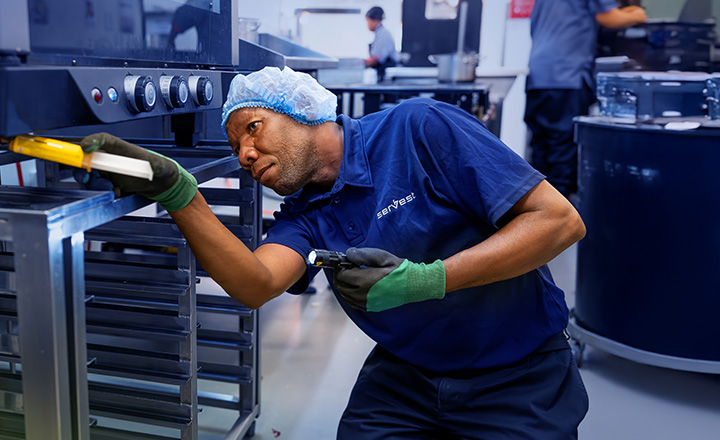
Industrial sites are always in motion. Forklifts weave through aisles, machinery powers through long shifts, and products stack up in precise sequences. Every action depends on predictability, but rodents and cockroaches move in the opposite way. They slip into quiet corners, nest behind machinery, or contaminate stock long before the problem becomes visible. Rodents gnaw through wiring and packaging, while cockroaches hide in warm, hard-to-reach spaces, contaminating surfaces and compromising hygiene. Professional pest control services protect facilities from these risks, ensuring clean, compliant, and uninterrupted operations. At Servest, we go beyond compliance, strengthening the performance of industrial sites that operate under pressure.
The contrast between controlled processes and unpredictable pest behaviour highlights the importance of early intervention. Once you understand where vulnerabilities lie, it becomes easier to safeguard the entire operation. Let’s focus on the strategies that matter most for controlling rodents and cockroaches.
Why Rodent and Cockroach Control Matters in Industrial and Manufacturing Facilities
In industrial and manufacturing environments, precision is everything. Every process, batch, and product relies on strict control and timing. Rodents and cockroaches disrupt that balance, threatening product quality, hygiene, and workflow. A single rodent in a storage area or a small cockroach infestation on a production line can halt schedules, damage materials, and lead to costly downtime.
Compliance with health, safety, and environmental standards is non-negotiable. Rodents and cockroaches put those obligations at risk, leaving businesses exposed to fines, recalls, and reputational damage. Staff notice when their workplace is clean and well-maintained, and customers and auditors notice it too. Partnering with professional industrial pest control providers, including rodent control and integrated pest control services, ensures manufacturing facilities stay one step ahead, protecting operational integrity, product safety, and the trust of everyone who interacts with the business.
Common Pests Threatening Industrial and Warehouse Operations
Rodents
Rats and mice don’t just scurry through aisles, they can halt operations. A rodent in storage can contaminate raw materials, damage packaging, and chew through wiring, forcing quarantine of affected stock. Even a single incident can ripple through production schedules and delay deliveries. Effective warehouse rodent control ensures early detection and targeted action, protecting your supply chain, inventory, and compliance obligations.\
Cockroaches
Cockroaches are stealthy invaders. They hide in warm machinery or storage corners, spreading bacteria that threaten hygiene and product safety. One unnoticed infestation can compromise batches, trigger recalls, and impact the reliability of your operations. Strategic warehouse insect control combines inspections, preventative treatments, and monitoring to contain risks before they escalate, keeping both production and deliveries on track.
Early Warning Signs of Pest Infestations
Subtle clues often appear before a full infestation becomes visible. Droppings near pallets or machinery, shredded materials that suggest nesting, or gnaw marks on stock or wiring indicate early activity. Odours or scratching sounds in walls or storage areas are also common signs. Packaging that appears damaged or contaminated suggests that pests have already reached product zones.
Preventive Measures to Keep Industrial Environments Pest-Free
Regular Cleaning and Maintenance
A structured cleaning routine removes food particles, debris, and built-up residue that attract pests. Regular industrial warehouse cleaning also improves visibility during inspections. Facilities benefit from cleaning schedules that match production cycles, with deep cleans planned for shutdowns or low-traffic periods. High-risk zones, including loading bays, break rooms, and waste handling areas, need more frequent attention. Maintenance teams should document every clean to support compliance, trend analysis, and early detection.
Proper Waste Disposal
Bins that seal properly and a consistent collection schedule limit the food sources that support pest activity. Waste areas benefit from frequent cleaning to prevent residue and odours. Placing bins away from production zones reduces pest pathways and lowers the chance of cross contamination. External waste skips should remain closed and sit on clear, well-maintained surfaces that allow teams to spot pest activity quickly.
Sealing Entry Points
Small openings allow rodents and insects to enter easily. Facilities should inspect vents, door frames, roof junctions, and piping routes often and seal gaps before pests find them. Door sweeps, mesh screens, and weather stripping improve control at ground level. Elevated spaces deserve equal attention since many pests enter through roof cavities or poorly sealed service routes. Detailed site maps that capture every previous breach help teams stay proactive rather than reactive.
Product Storage Best Practices
Clearance between pallets and walls improves airflow and allows early detection. Rotating stock and inspecting packaging help prevent the spread of stored product pests. Using sealed, food grade containers for sensitive materials limits exposure and protects high value stock. Racking systems that keep products off the floor reduce harbourage points. Teams should check forklift routes and staging areas since movement often shakes loose debris that attracts pests. These practices strengthen both manufacturing facility management and pest prevention.
Long-Term Pest Management Strategy
A long-term pest management plan strengthens operational resilience. Industrial environments change constantly. Stock rotates, machinery shifts, and seasonal weather patterns influence pest behaviour. Effective protection needs more than occasional treatments. It requires a proactive system that detects issues early, responds quickly, and evolves with the facility.
Regular inspections build a timeline of activity. Trends become clearer, recurring hotspots are easier to pinpoint, and emerging risks can be addressed before they impact production. Staff training reinforces this foundation. Teams learn what early warning signs look like and how to report issues immediately. This creates a culture of vigilance across shifts, not just during audits.
Monitoring systems form the third layer. Sensors, traps, and digital reporting tools provide continuous oversight in hard-to-access areas. This information helps engineering and operations teams take corrective action before pests find new opportunities.
Servest strengthens every one of these measures. Our specialists design long-term programmes that match the complexity of industrial environments. We create inspection schedules that suit production flows, train teams to recognise and escalate risks, and integrate monitoring tools that support day to day decisions. Preventative maintenance is built into our approach, which keeps facilities cleaner, safer, and more compliant throughout the year. This helps businesses maintain uninterrupted operations and reduce the likelihood of infestations returning.
Servest combines national reach with expertise that spans multiple industries. Our teams use environmentally responsible methods and follow strict regulatory requirements. Integrated facility management strengthens total site protection and allows businesses to create cleaner, safer working environments. Businesses can explore our full capabilities at Servest and learn more about our specialised pest control services at Servest Pest Control.
Frequently Asked Questions
- What is the best way to prevent pest infestations in industrial facilities?
Regular cleaning, sealing possible entry points, and partnering with professional pest control specialists like Servest create strong prevention measures. - How often should pest control be done in a warehouse or manufacturing plant?
Quarterly visits suit most facilities. High-risk operations benefit from monthly inspections or continuous monitoring.
What are the signs that a facility might already have a pest problem?
Droppings, nesting materials, gnaw marks, or unusual odours indicate that pests are active. Early detection reduces operational disruption.