
Compliance and Pest Control: What Businesses Need to Know
17 April 2026
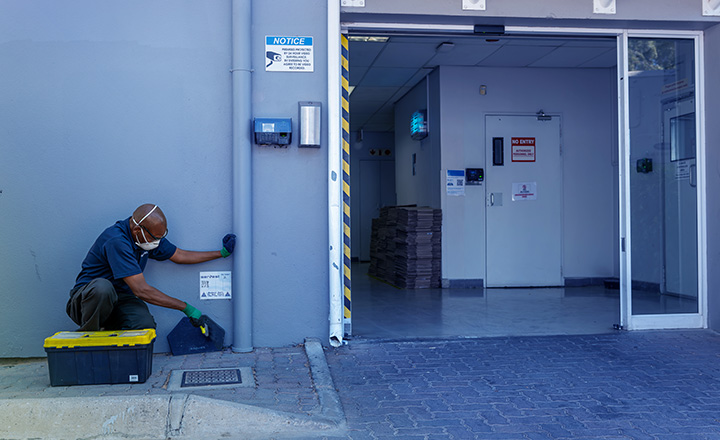
In every corner of your business, tiny intruders are looking for an opportunity to exploit your space or facilities. A mouse scuttling behind the storeroom shelves, a fly hovering over a prep surface, or ants parading along high-traffic zones, each one has the potential to disrupt operations, compromise safety, and shake the trust you’ve worked to build.
Pest control compliance is more than a legal requirement; it’s the quiet engine that keeps your business running, your employees safe, and your customers confident.
At Servest, we go beyond compliance, delivering cleaning and hygiene solutions that not only meet standards but elevate operational performance. Let’s take a closer look at what pest control compliance entails in South Africa, why it matters across industries, and the practical steps businesses can take to stay ahead of risks while protecting both people and reputation.
What is Pest Control Compliance?
Pest control compliance means meeting legal, health, and industry standards for managing pests in commercial environments. In South Africa, businesses in food production facilities must follow strict HACCP pest control standards, ensuring raw materials, storage areas, and production lines are protected from contamination.
In healthcare facilities, compliance involves hospital pest control programmes that safeguard patients and staff from harmful bacteria, viruses, and disease-carrying pests.
For the hospitality sector, including hotels and resorts, hotel pest control services help maintain hygiene, protect guest safety, and uphold the property’s reputation. Across all industries, documenting inspections, treatments, and staff training ensures regulatory adherence while supporting overall facility safety.
Understanding South African Pest Control Regulations
In South Africa, pest control compliance is guided by the Pest Control Act, along with industry-specific standards such as HACCP for food production, SANS hygiene standards for healthcare, and best practices for hospitality operations. These frameworks define minimum requirements for safe and legally compliant facilities.
The Department of Agriculture, Forestry, and Fisheries (DAFF) regulates pest control operators, ensuring they are trained, licensed, and using approved methods. Following these standards helps food production plants implement effective industrial pest control, hospitals and clinics apply targeted healthcare pest management, and hotels and resorts benefit from professional hospitality pest control services. Adhering to these measures prevents infestations, protects assets, ensures safety, and avoids fines or operational disruptions.
How to Maintain Pest Control Compliance
Compliance isn’t a one-off task, it’s a daily commitment. Businesses that stay ahead of pests combine vigilance, routine, and smart systems. Here’s how:
Recommended Daily Pest Control Protocols for High-Risk Areas
- Inspect Incoming Deliveries: Every crate, bag, or box is a potential doorway for pests. Take a moment to check for signs of unwanted guests before they step inside your facility.
- Manage Inventory Properly: Imagine a warehouse where stock is neatly sealed, rotated, and monitored. Proper storage keeps pests guessing and ensures nothing becomes a feast, or a potential nesting spot, for rodents or insects.
- Maintain Surface and Equipment Hygiene: From counters to conveyor belts, every surface tells a story. Clean meticulously at the end of each shift to erase crumbs, spills, and residues that attract pests.
- Monitor Waste and Drains: Bins, drains, and disposal areas are hotbeds for pests. Regular emptying and cleaning turn these potential problem zones into nothing more than routine tasks.
- Document and Review: Every inspection, every treatment, every anomaly should be logged. Daily review of these records spots patterns early and allows swift, proactive action before issues snowball.
By weaving these steps into your daily rhythm, pest control becomes second nature. Facilities stay compliant, kitchens stay safe, and storage areas remain off-limits to uninvited guests.
The Risks of Failing to Meet Pest Control Compliance Standards
Non-compliance has serious consequences. Health risks include contamination, allergic reactions, and disease transmission. Financially, businesses face fines, lost revenue, and potential license suspensions. Reputationally, an infestation can erode client trust and damage brand credibility.
Servest’s Pest Control Services for Your Business
Servest provides a full suite of pest control solutions, from inspections and treatments to ongoing monitoring and compliance reporting. Each solution is designed to integrate seamlessly into your daily operations, keeping your business compliant, safe, and efficient. Here’s how we do it:
Rodent Control
Our rodent control programme goes beyond traps and baits. We conduct thorough site inspections to identify entry points, assess vulnerabilities, and implement strategic exclusion solutions. By integrating daily monitoring and routine checks into your operations, we catch potential infestations before they disrupt your workflow or compromise hygiene standards.
Bed Bug Control
We tackle bed bugs with precision. Heat treatments, insecticides, and targeted monitoring programmes ensure effective elimination and prevent resurgence. Daily operational protocols, such as checking high-risk areas and logging inspections, reinforce long-term protection and keep your facility compliant and pest-free.
Cockroach Control
Cockroach management focuses on both eradication and prevention. Our targeted plans use baits and safe chemical applications while ensuring your operations remain HACCP and health regulation compliant. Routine inspections and ongoing monitoring integrated into daily processes minimise breeding risks and maintain a hygienic environment.
Bird Control
Humane, eco-friendly deterrents combined with structural modifications prevent bird infestations. Long-term sanitation measures, including regular checks and cleanup of nesting sites, ensure birds cannot return, safeguarding both compliance and reputation.
Termite Control
Soil and wood treatments, barriers, and monitoring systems protect your facility from structural damage. Routine inspections detect early activity, and daily operational checks ensure termite threats are managed proactively.
Snake & Wildlife Control
We provide safe removal and relocation techniques for snakes and other wildlife, coupled with habitat modifications and entry-point sealing to prevent re-entry. Staff guidance and daily monitoring routines strengthen your facility’s defence against uninvited wildlife guests.
Snake & Wildlife Control
We provide safe removal and relocation techniques for snakes and other wildlife, coupled with habitat modifications and entry-point sealing to prevent re-entry. Staff guidance and daily monitoring routines strengthen your facility’s defence against uninvited wildlife guests.
Fly & Insect Control
Fly traps, insecticides, and exclusion techniques form the frontline of our strategy, supported by waste management and sanitation recommendations to reduce breeding. Daily checks and operational vigilance maintain a consistently pest-free environment.
Integrated Pest Management
Our IPM approach focuses on prevention first. Science-backed, eco-friendly solutions, combined with technology-driven monitoring, ensure real-time control and compliance tracking. Daily inspections, early detection, and corrective action are embedded in your operational routines, keeping your facility safe year-round.
How We Unlock Value for Our Clients
- Protecting Business Assets & Infrastructure
Pests can damage equipment, contaminate products, and disrupt operations. Our proactive, daily-integrated strategies safeguard your business continuity. - Minimised Operational Downtime
By embedding pest management into your day-to-day operations, we reduce risk without interfering with productivity. - Financial Risk Reduction
Investing in proactive pest control prevents costly infestations, compliance fines, and equipment damage, protecting your bottom line. - Long-Term Pest Prevention & Risk Control
With our Integrated Pest Management approach, recurring pest threats are eliminated, ensuring year-round protection and peace of mind.
Learn more about pest management at Servest, or explore our other cleaning and hygiene services.
Pests exploit gaps, cracks, and moments of inattention. Servest transforms those vulnerabilities into strengths. With proactive strategies, continuous monitoring, and rapid response, we turn potential disruptions into controlled outcomes. Your facilities stay safe, compliant, and operational, and every corner of your business is quietly guarded from intrusion.
Explore Servest today and make compliance effortless.
Frequently Asked Questions
- What is the frequency of pest control inspections required for compliance?
Inspections should be conducted regularly, with high-risk areas monitored daily or weekly depending on operational activity.
- How can I verify that my pest control provider is certified?
Ensure your provider is registered with DAFF and holds the required licenses for your industry.
- What industries are most affected by pest control compliance regulations?
Food and beverage, healthcare, hospitality, and retail face the strictest compliance requirements.