
Balancing Aesthetics and Sustainability: Eco-Friendly Golf Course Maintenance
14 May 2026
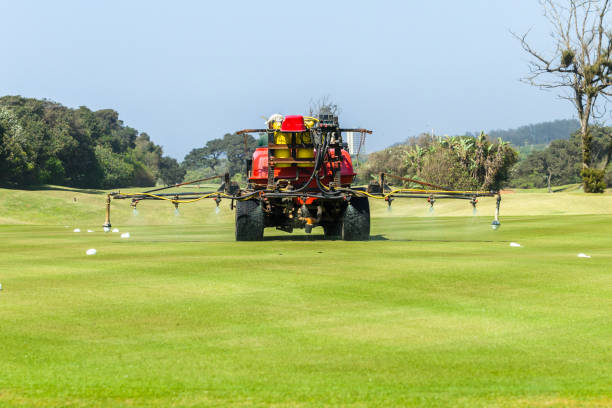
Golf courses are living landscapes, shaped by the seasons and by the hands that care for them. Fairways respond to every shift in weather, greens reflect the precision of daily upkeep, and the character of the course evolves with each maintenance decision. As demand grows for eco-friendly golf courses, the way these spaces are managed is entering a new chapter. Facilities must achieve the visual standards players expect while embracing methods that protect the land beneath them.
Sustainable maintenance preserves turf health, reduces resource strain, and supports the natural ecosystems surrounding each hole. By integrating environmentally friendly golf course practices, clubs uphold aesthetic excellence while reducing their long term environmental impact.
Let’s delve a little deeper.
Understanding Modern Golf Course Maintenance Standards
Maintaining a golf course today goes beyond traditional upkeep. Modern golf course maintenance standards integrate regulatory compliance, turf quality, water usage, and biodiversity considerations. Courses are expected to meet local environmental requirements while providing playable, visually appealing surfaces.
The industry is increasingly focused on sustainability. Water conservation, careful chemical use, and habitat protection are now key benchmarks in professional golf course management. Clubs that embrace these standards support healthy turf and reduce environmental impact.
Key Elements of Eco-Friendly Golf Course Turf Maintenance
Water Conservation and Smart Irrigation
Smart irrigation systems monitor soil moisture and weather patterns to deliver water precisely where it is needed. These systems reduce waste and maintain the lush appearance of greens and fairways. Water conservation is essential for eco-friendly golf courses and ensures long-term sustainability.
Sustainable Turf Management Practices
Drought-resistant grass varieties, controlled mowing heights, and the use of organic fertilisers minimise stress on the turf. Reducing dependency on chemical treatments supports healthier soil and encourages natural resilience. Sustainable turf management practices are critical for environmentally friendly golf courses.
Integrated Pest Management (IPM)
IPM prioritises natural controls over blanket pesticide use. Beneficial insects are encouraged, and treatments are applied only where necessary. This approach supports biodiversity and maintains the visual integrity of the course while reducing chemical exposure.
Reducing Environmental Impact on Golf Courses
Environmentally Safe Fertilisers and Soil Management
Compost teas, slow-release fertilisers, and organic options promote soil health. Healthy soil is the foundation for sustainable turf, improving root systems, water retention, and overall plant vitality.
Biodiversity and Wildlife-Friendly Approaches
Native plant buffers around greens provide habitats for pollinators and birds while protecting turf. Thoughtful landscaping reduces disruption to local wildlife and enhances the course’s natural appeal.
Energy-Efficient Grounds Equipment
Electric or hybrid mowers, energy-efficient pumps, and modern turf machinery reduce fuel consumption and emissions. Investing in eco-friendly equipment aligns operational practices with environmental goals.
Balancing Aesthetics with Sustainable Decisions
Pristine greens are achievable with fewer chemicals and smarter turf management. Courses that align player expectations with sustainability objectives demonstrate that environmental responsibility and visual appeal can coexist. Well-managed, eco-friendly golf courses show that beauty and sustainability go hand in hand.
The Role of Technology in Sustainable Golf Course Maintenance
Drones monitor turf health and identify stress areas. Smart irrigation automates water delivery, while GPS-guided mowing ensures precise, efficient maintenance. Data-driven insights support targeted interventions, reducing waste and improving course performance.
Benefits of Eco-Friendly Golf Course Maintenance
Sustainable maintenance reduces long-term costs for water, fertilisers, and fuel. It enhances turf resilience and longevity, improves environmental credibility, and increases golfer satisfaction. By lowering the ecological footprint, clubs create courses that are visually striking and environmentally responsible.
How Servest Supports Sustainable Golf Course Maintenance
Servest brings together expert turf care, sustainable practices and a commitment that goes well beyond compliance. With certified processes, eco-friendly equipment and highly skilled teams, we help clubs cultivate courses that look exceptional and perform even better. The result is resilient, beautifully maintained turf that supports both the playing experience and your long-term sustainability goals.
Learn more about our landscaping services here and specialist turf services here. Explore Servest’s full capabilities here.
Frequently Asked Questions
- What are the most important eco-friendly golf course maintenance practices?
Water conservation, sustainable turf care, and integrated pest management are key for environmentally friendly golf courses. - How can golf courses reduce water usage without affecting turf quality?
Smart irrigation systems, soil moisture monitoring, and drought-tolerant grass varieties maintain quality while conserving water. - What sustainable fertilisers are best for golf course turf?
Compost teas, slow-release fertilisers, and organic options support turf health with minimal environmental impact. - How do golf course maintenance standards support environmental goals?
Modern standards incorporate water usage, biodiversity, and chemical reduction, promoting sustainability while maintaining playable, attractive surfaces.