
Sustainable Turf Maintenance Practices for Schools and Sports Facilities
14 May 2026
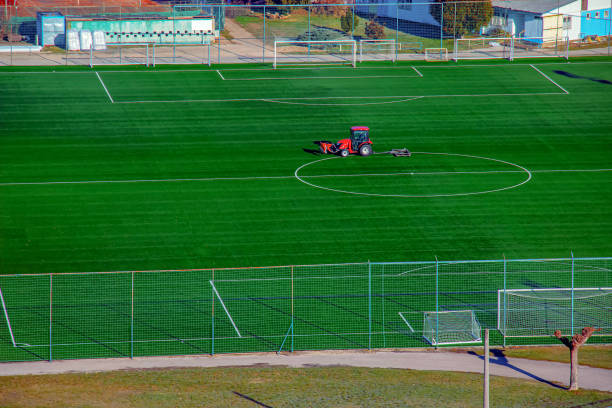
Sustainability has become a defining part of how modern sports fields are managed. On school grounds and community sports facilities, the story often begins the same way. A field carries the marks of last season’s matches, the weight of daily practice sessions, and the expectation that it will be ready for players again tomorrow. Maintaining that balance between performance and environmental responsibility is no longer optional. It is an essential part of facility care.
Well-managed turf shapes safer play, longer field life, and healthier outdoor spaces for learners and athletes. The goal is not only to meet environmental expectations but to support surfaces that stay resilient year after year. At Servest, we see sustainable sports turf as an investment in longevity, performance, and community wellbeing. Across the facilities we support, we go beyond compliance, applying turf and landscaping expertise that strengthens operational performance and builds future ready environments.
What follows is a clear look at the principles and practices that help schools and sports facilities achieve high quality, sustainable turf systems with Servest guidance. Read on.
Understanding the Importance of Quality Turf for Sports Performance
Healthy turf plays a decisive role in both safety and performance. A well-maintained field offers consistent traction, predictable ball behaviour, and reduced injury risk. These qualities become even more important when facilities host multiple sports.
Rugby requires surfaces that absorb impact. Football demands consistent grass cover for accurate ball control. Cricket outfields rely on smooth, fast turf. Athletics facilities depend on even, stable ground along track perimeters. Each sport places different stresses on the field, which means tailored turf care is essential.
Quality turf ultimately extends the lifespan of the field, reduces costly repairs, and supports the wellbeing of every athlete who uses it.
Core Principles of Sustainable Turf Maintenance
Sustainable turf maintenance blends scientific precision with environmentally conscious management. The following practices form the foundation of long term turf health.
Soil Health as the Foundation
Strong, resilient turf begins with the soil beneath it. Regular soil testing allows grounds teams to understand nutrient levels, pH, and structural needs. Natural soil amendments and organic fertilisers help build biological activity without introducing unnecessary chemicals. A thriving soil ecosystem directly supports stronger root systems and healthier grass.
Water Conservation and Smart Irrigation
Sustainable turf care prioritises responsible water use through weather based irrigation schedules, real time soil moisture monitoring, and efficient delivery systems. These approaches reduce water consumption while safeguarding turf quality. Smart irrigation ensures every drop is used effectively.
Chemical Free or Reduced Chemical Maintenance
Modern sports facilities increasingly favour organic or low impact treatments. These reduce exposure risks for students, athletes, and grounds teams while supporting long term soil vitality. Safer methods for weed and pest management protect the landscape without compromising performance.
Integrated Pest Management (IPM)
Integrated Pest Management builds ecological resilience by encouraging beneficial insects and natural predators. Instead of blanket treatments, IPM relies on targeted interventions only where needed. This reduces chemical use and strengthens the natural balance of the turf ecosystem.
Eco Friendly Landscaping Approaches for Sports Facilities
Sustainable sports turf does not exist in isolation. The broader landscape surrounding fields plays a crucial role in environmental performance.
Sustainable design incorporates native plants, low maintenance greenery, and water wise landscaping around spectator areas and walkways. These elements reduce upkeep requirements and create visually appealing, cohesive outdoor spaces. Energy efficient equipment, such as modern electric landscaping tools, further reduces the facility’s carbon footprint.
For more on eco friendly landscaping solutions, see Servest’s landscaping services:
Servest Landscaping
Sustainable Turf Maintenance for School Grounds
School grounds face a unique combination of high foot traffic, budget constraints, and safety responsibilities. Sustainable maintenance practices help schools reach a balance between environmental care and playability.
Approaches such as soil health improvement, water efficient irrigation, organic fertilisation, and IPM provide effective, cost conscious care. Over time, these practices reduce expensive field repairs and create more reliable, safer playing surfaces.
Explore Servest’s dedicated turf offering here: Servest Turf Services
Benefits of Sustainable Turf Maintenance for Sports Facilities
Sustainable turf management offers clear and lasting advantages for schools, sports clubs, and professional athletic facilities. By carefully managing water and reducing chemical usage, facilities not only conserve valuable resources but also create healthier, more resilient playing surfaces. Stronger turf supports safer play, helping to minimise injuries and providing athletes with a reliable surface for training and competition.
Over time, these practices reduce the need for costly interventions such as turf replacement or intensive repairs, resulting in long-term operational savings. Beyond the practical benefits, well-maintained, eco-friendly fields enhance a facility’s reputation and demonstrate a commitment to environmental stewardship, which resonates with students, athletes, parents, and the wider community. In this way, sustainable turf maintenance strengthens both the physical performance of the playing surface and the trust and confidence of everyone who interacts with the facility.
How Servest Supports Sustainable Turf Management
Servest is a trusted partner to schools, sports clubs, and large sporting facilities across South Africa. Our approach combines modern equipment, advanced turf science, and highly trained specialists. We tailor maintenance plans to each facility’s needs, ensuring year round turf performance and sustainable outcomes.
Across our landscaping and turf divisions, we bring eco friendly solutions, intelligent irrigation systems, and responsible maintenance strategies that align with our philosophy of Going Beyond Compliance. This commitment ensures our clients receive solutions that protect the environment while elevating field quality and operational efficiency.
Learn more about Servest’s full capabilities at Servest
Frequently Asked Questions
- What are the best sustainable turf maintenance practices for sports facilities?
Core practices include soil testing, organic fertilisation, water efficient irrigation, reduced chemical use, and Integrated Pest Management. These create healthy, durable playing surfaces with lower environmental impact. - How can schools maintain sports fields sustainably and affordably?
Schools benefit from smart irrigation, soil health management, IPM practices, and long term maintenance plans that reduce major repairs and replacement costs. - What irrigation methods help reduce water usage on sports fields?
Weather based scheduling, soil moisture sensors, and targeted irrigation zones ensure water is delivered efficiently and only when necessary. - How does eco-friendly landscaping benefit sports grounds?
Eco friendly landscaping reduces maintenance costs, supports biodiversity, improves aesthetics, and creates a healthier overall environment for athletes and spectators.