
Hospital Cleaning Protocols: Meeting the Highest Hygiene Standards for Patient Safety
14 May 2026
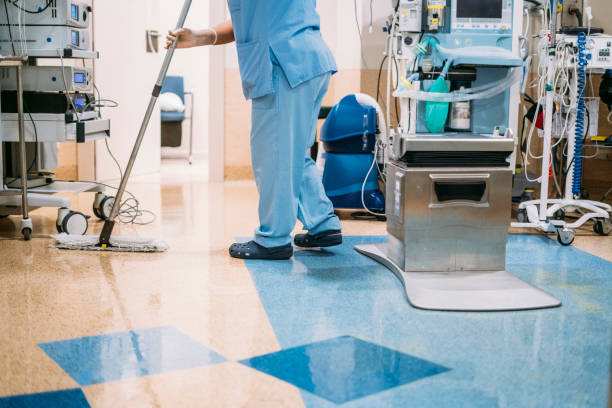
In hospitals, just as every moment carries weight, every surface can carry consequence. A patient reaches for a bed rail. A nurse prepares equipment for the next healing step. Operating theatres house procedures with sterile rigour. In these settings, cleanliness is not just a visual cue of order, it is a critical layer of protection that shapes patient safety with every interaction. Healthcare associated infections remain a persistent challenge, and even the smallest lapse can have significant implications for recovery and wellbeing.
The complexity of a hospital amplifies this responsibility. Spaces operate on different rhythms and risk levels, yet all of them require cleaning precision that far exceeds the needs of corporate or commercial environments. Protocols must be structured, consistent, and carefully aligned with the realities of clinical care.
At Servest, we recognise that hospitals cannot simply aim for compliance. Going Beyond Compliance guides every element of our healthcare cleaning approach, ensuring that hygiene practices elevate infection prevention and strengthen the work of the teams who protect patients every day. Our solutions are built to support environments where safety is non negotiable and where reliability is essential.
Let’s unpack the protocols, methods, and specialised expertise that shape exceptional hospital hygiene and help create environments where patients can recover with confidence.
Core Principles of Hospital Cleaning Protocols
Effective hospital cleaning protocols bring structure and predictability to environments that never slow down. They rely on standardised procedures tailored to both clinical and non clinical areas, ensuring that every type of space is cleaned with precision and consistency.
Cleaning frequency is determined by zone. High risk areas require frequent intervention, continuous monitoring, and more intensive disinfection. Medium and low risk zones follow carefully documented schedules that maintain cleanliness without interrupting patient care.
Colour coded tools and equipment are essential for preventing cross contamination. Documentation, audits, and compliance checks ensure every step is traceable and meets regulatory standards. This foundation of discipline is what enables hospitals to maintain environments that are safe at every hour and during every shift.
High Risk Areas Requiring Specialised Cleaning
Operating Theatres and Surgical Suites
These environments demand absolute precision. Sterile procedures and terminal cleaning are performed with strict sequencing and validated disinfectants to ensure that theatres are fully prepared for the next surgical case.
Intensive Care Units
ICUs contain some of the highest touch surfaces within a hospital. Cleaning protocols here prioritise continuous disinfection and careful handling of equipment that supports critically ill patients.
Emergency Departments and Trauma Areas
These departments experience rapid patient turnover and unpredictable spill events. Cleaning teams must respond quickly, ensuring that treatment spaces remain safe while maintaining the pace of emergency care.
Isolation Rooms
Isolation rooms require infection specific cleaning methods informed by pathogen type, PPE requirements, and containment procedures.
General Wards and Outpatient Areas
Daily schedules support the steady flow of staff, patients, and visitors. The consistency of these routines is key to creating safe, welcoming spaces across the facility.
Cleaning Techniques and Equipment Used in Hospitals
Modern hospital cleaning relies on a combination of advanced tools, proven techniques, and strict protocols to deliver measurable hygiene outcomes. Microfibre systems, for example, are designed to trap and remove pathogens more effectively than traditional methods while reducing the need for harsh chemicals. Medical grade disinfectants are carefully chosen for each environment and applied with precise contact times to ensure maximum effectiveness without compromising safety.
HEPA filtered vacuums play a critical role in managing airborne particles, improving indoor air quality for patients, staff, and visitors alike. Technologies such as UV C sanitising units and electrostatic sprayers allow teams to disinfect large areas and intricate surfaces efficiently, reaching spaces that might otherwise be missed.
Proper waste handling and biomedical disposal are integral to these processes, with strict compliance standards in place to protect everyone in the facility. By combining these advanced methods with trained staff and systematic procedures, hospitals maintain environments that are both safe and supportive of patient recovery.
For more on our specialised cleaning solutions, explore Servest’s dedicated cleaning capabilities at Servest Cleaning.
Infection Prevention and Control in Cleaning Protocols
Effective hospital cleaning is a cornerstone of broader infection prevention and control frameworks. It goes beyond surface-level tidiness, forming an active defence against healthcare-associated infections. Integrated hand hygiene practices, rapid spill response protocols, and strict procedures for managing bloodborne pathogens work in tandem to minimise risks for patients, staff, and visitors.
Proper ventilation complements these efforts by reducing airborne contaminants and improving overall air quality. Cleaning teams collaborate closely with infection prevention and control (IPC) units to ensure every procedure reinforces safety measures. From high-touch surfaces to patient rooms and common areas, coordinated cleaning and IPC strategies create a multi-layered approach that prevents contamination before it can spread, safeguarding vulnerable populations and enhancing overall hospital resilience.
Staff Training and Competency Requirements
Hospital cleaning requires specialist knowledge, precision, and ongoing vigilance. Staff undergo comprehensive training that covers infection control principles, safe handling of equipment, proper use of personal protective equipment, and emergency response procedures. This foundation ensures every task is executed with accuracy, protecting both patients and the teams themselves.
Accredited commercial cleaning teams provide consistent standards and maintain compliance with healthcare regulations. Continuous professional development is essential: refresher training, competency assessments, and monitoring of emerging risks keep teams up to date with new technologies, updated protocols, and evolving infection prevention standards. Well-trained staff form the backbone of a hospital’s hygiene programme, turning cleaning from a routine task into a proactive safeguard for patient safety and operational excellence.
Benefits of Using Professional Commercial Cleaning Services in Hospitals
Partnering with professional commercial cleaning services offers multiple advantages for healthcare facilities.
Hospitals gain consistent standards backed by regulatory compliance. They experience lower infection risks, improved patient outcomes, and streamlined operations. Professional teams also bring hospital grade products, advanced equipment, and scalable service models that adapt to the needs of the facility.
To explore additional protective services, view Servest’s Pest Control offering.
How Servest Supports Hospital Hygiene Excellence
Servest brings advanced expertise and certified healthcare cleaning standards to hospitals across South Africa. Our teams are trained in complex hospital cleaning protocols and deliver tailored plans for each zone of the facility.
We work closely with hospital IPC departments to create environments that reinforce patient safety every hour of the day. Our commitment to Going Beyond Compliance means that hospitals receive more than routine cleaning. They gain a partner dedicated to safeguarding care environments and improving hygiene outcomes.
Learn more about our full integrated solutions at Servest.
Hospitals require strict, meticulously executed cleaning protocols to protect patients, staff, and visitors. When facilities invest in professional, compliant cleaning solutions, they reduce infection risks, strengthen operational efficiency, and create safer environments for healing. Servest stands ready to support hospitals with rigor, innovation, and a commitment to care that goes far beyond compliance.
Frequently Asked Questions
- What are the key cleaning protocols used in hospitals?
They include standardised procedures for each risk zone, colour coding systems, disinfection cycles, documentation, and compliance audits. - How do commercial cleaning services support hospital hygiene?
They provide trained teams, specialised products, advanced equipment, and consistent standards aligned with health regulations. - What areas of a hospital require the most specialised cleaning?
Operating theatres, ICUs, emergency departments, trauma units, and isolation rooms require heightened protocols and continuous monitoring. - How often should different hospital zones be cleaned?
High risk areas require multiple cleanings throughout the day, while medium and low risk areas follow structured schedules based on patient traffic and function.